Your Cup, Your Soundtrack: The Unofficial Guide to Pairing Coffee with Live Music
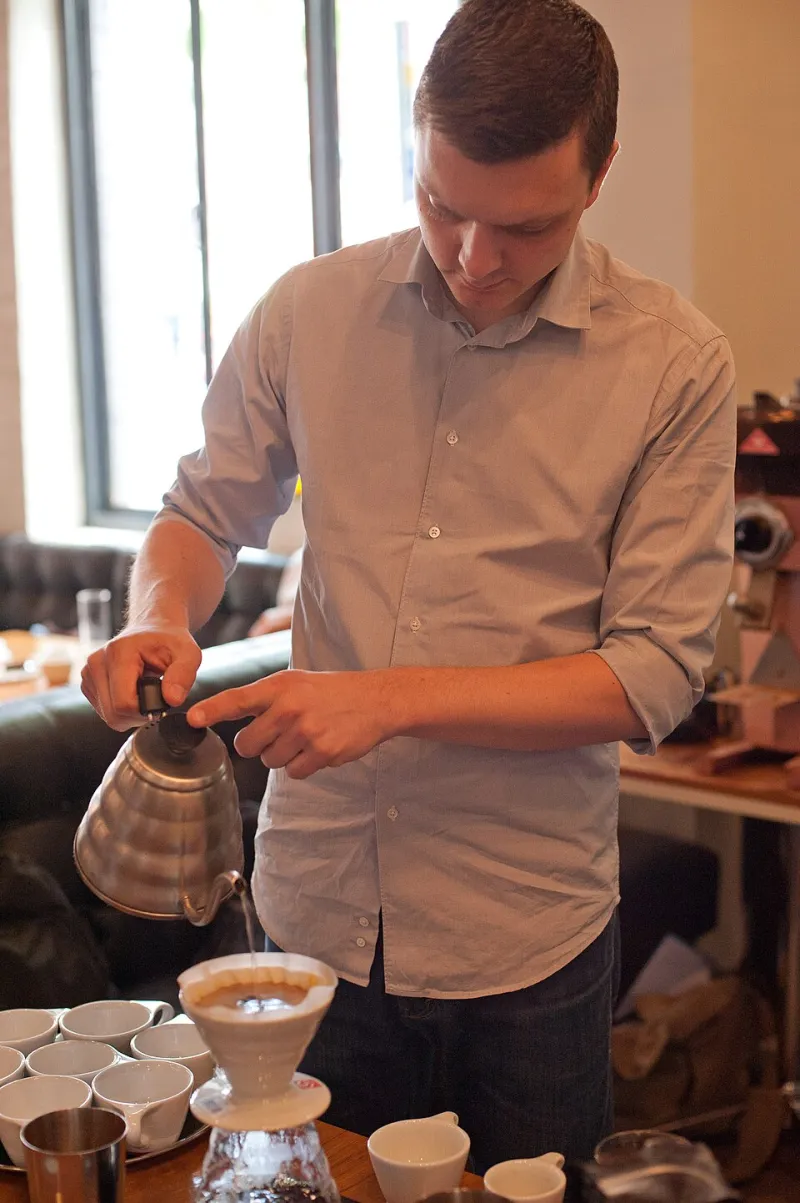
Photo: Dennis Tang, CC BY-SA 2.0, via Wikimedia Commons
Food pairing is an art form. Wine with cheese, bourbon with blues—we instinctively understand that the right combination elevates both elements. So why don't we talk more about pairing coffee with live music?
At Live Café 385, where the espresso machine and the stage coexist in the same room, we've had plenty of time to think about this. After conversations with baristas, musicians, and more than a few regulars who've strong opinions about both their brew and their soundtrack, we've put together this guide. Consider it your sensory cheat sheet for getting the most out of your next café night.
Jazz: The Double Espresso or a Classic Cortado
Jazz is complex, layered, and confident. It rewards attention without demanding it. The music breathes—there are spaces between notes that are just as important as the notes themselves.
For that experience, you want a coffee that matches the depth without overwhelming the senses. A well-pulled double espresso from a medium-dark roast hits the right notes: bold upfront, with a lingering finish that gives you something to sit with between solos. If straight espresso feels like too much of a commitment, a cortado—equal parts espresso and steamed milk—softens the edges just enough without losing the punch.
Barista tip: Ask for your espresso from a blend with Brazilian or Guatemalan beans. That chocolatey, nutty base plays beautifully against the improvisational structure of a live jazz set.
Blues: Single-Origin Ethiopian, Brewed Pour-Over
The blues carries weight. It's emotionally direct, rooted in storytelling, and built on tension and release. You need a coffee that can hold its own against that kind of intensity—but also one that has enough nuance to keep you engaged through a long, slow set.
A single-origin Ethiopian bean brewed pour-over is the move here. Ethiopian coffees are known for their bright, fruit-forward profiles—think blueberry, jasmine, sometimes a hint of citrus. The pour-over method slows everything down and extracts flavor with care, much like a blues guitarist milking every note for everything it's worth.
Musician's take: "There's something about the way a good Ethiopian coffee opens up as it cools that reminds me of the way a blues song unfolds," says one regular performer at our venue. "It gets more interesting the longer you spend with it."
Indie Folk: Oat Milk Latte with a Light Roast
Indie folk is warm, earnest, and a little bit vulnerable. It's the genre of storytellers—artists who mean every word and want you to feel it. The instrumentation tends to be acoustic and understated, which means your drink shouldn't compete.
A latte made with a light roast and oat milk is the perfect companion. Light roasts preserve the bean's natural character—floral, bright, sometimes tea-like—and oat milk adds a creamy sweetness that doesn't overpower. The whole thing feels gentle and considered, which is exactly the energy a good indie folk set creates.
Best bean origin: Try a light roast from Colombia or Costa Rica. Their clean, bright profiles let the subtlety of the music breathe without distraction.
Soul and R&B: A Flat White or Café au Lait
Soul music is smooth, full-bodied, and deeply satisfying. It's confident without being aggressive, and it has a warmth that makes you want to settle in and stay a while. Your coffee should do the same thing.
A flat white—microfoamed milk over a ristretto shot—delivers a velvety texture and concentrated flavor that mirrors the richness of a great soul performance. If you prefer something a little more laid-back, a café au lait (drip coffee with steamed milk, a New Orleans staple) has a nostalgic, comforting quality that fits perfectly.
Pairing note: Medium roast blends with a hint of caramel or brown sugar notes are ideal here. They match the sweetness of the genre without going over the top.
Bluegrass and Americana: Cold Brew, Straight
Bluegrass is unpretentious, fast-moving, and built on craft. There's nothing fussy about it—just skilled musicians playing with everything they've got. Your drink should reflect that same no-nonsense energy.
Cold brew, served straight over ice with no additions, is exactly right. It's bold, it's clean, and it doesn't need anything extra to make its point. The slow steeping process creates a naturally smooth, low-acid cup that can keep up with a high-energy picking session without making you jittery.
Pro tip: Look for cold brew made from a medium roast with nutty, earthy characteristics. That profile has a grounded, honest quality that pairs naturally with the rootsy authenticity of Americana music.
Electronic and Ambient: Nitro Cold Brew
Okay, so electronic music at a café might not be the most common setup, but ambient electronic and downtempo sets are increasingly appearing at venues that lean toward the experimental. For those nights, you want something with a little drama.
Nitro cold brew—cold brew infused with nitrogen and served on tap—has a cascading, almost hypnotic pour and a silky, creamy texture that requires zero additions. It looks cool, feels indulgent, and has a steady, sustained energy that mirrors the build-and-release structure of a good electronic set.
Visual experience: Half the fun of nitro cold brew is watching it settle in the glass. On a night with ambient lighting and textured electronic music, that's a full sensory moment worth savoring.
A Few Final Thoughts from Behind the Bar
Pairing coffee with music isn't a science—it's an invitation to pay closer attention to both. When you're intentional about what's in your cup, you tend to be more present for what's happening on stage. And that presence is really the whole point.
At Live Café 385, every drink on our menu has been chosen with the room in mind. Whether we've got a jazz quartet running through a Friday night residency or a solo folk singer doing a Tuesday evening set, there's a cup on our list that fits the moment.
Next time you walk in, don't just ask what's playing. Ask what you should be drinking while you listen. Our baristas have opinions—and they're usually right.