Behind the Bar and Between the Sets: How Café Workers Became Local Music's Most Trusted Scouts
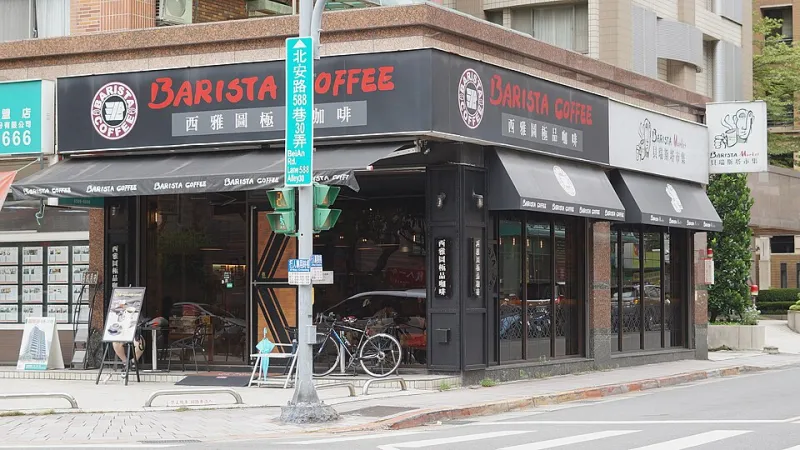
Photo: Solomon203, CC BY-SA 4.0, via Wikimedia Commons
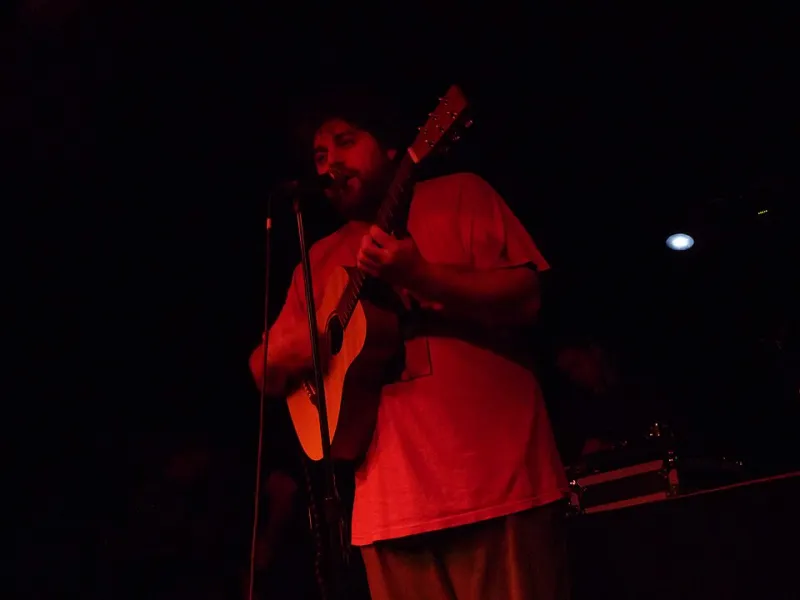
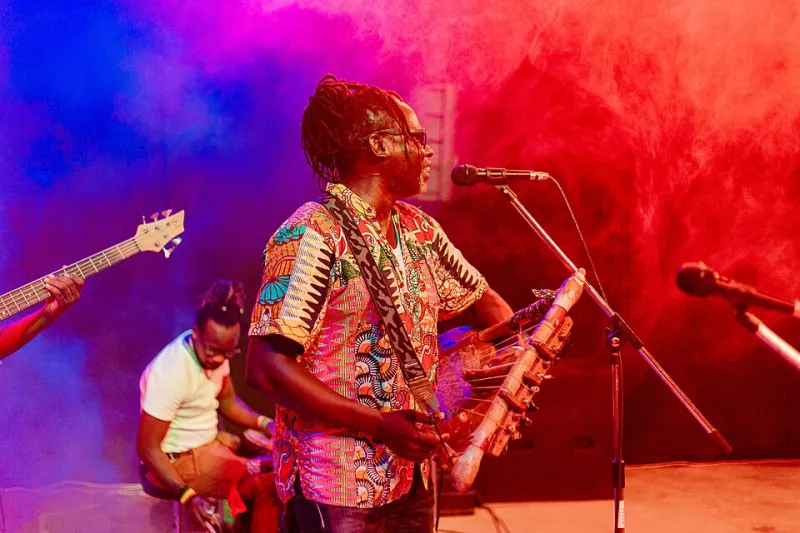
Long before a booking agent or playlist algorithm gets involved, it's often the person pulling your espresso who spots the next big local act. At live café venues across the country, baristas have quietly become some of the most influential tastemakers in regional music — and almost none of them asked for the job.
It starts simply enough. A musician wanders in on a Tuesday afternoon, orders a cortado, and starts chatting with the person behind the counter. They mention they play. The barista mentions there's an open mic on Thursday. Two years later, that same musician is headlining regional festivals and thanking "the café crew" in their press bio.
This pipeline — informal, unintentional, and surprisingly effective — is reshaping how emerging artists get discovered in cities and towns where traditional music industry infrastructure is thin.
The Accidental Gatekeeper
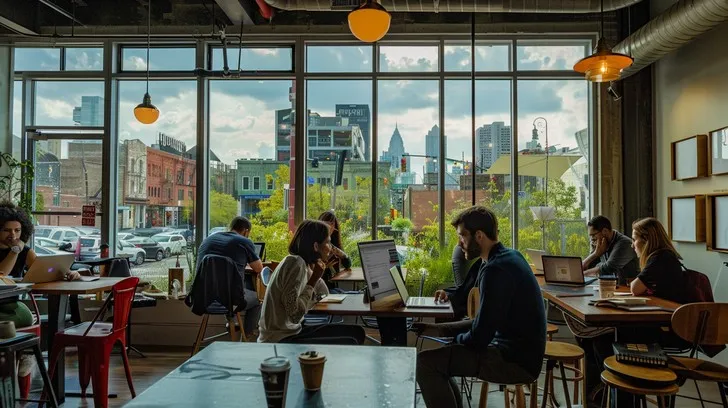
There's something structurally unique about working at a venue that blends coffee service with live performance. You're not just making drinks. You're watching sound checks, overhearing rehearsals, reading the room during sets, and fielding requests from regulars who always seem to have opinions about the lineup. Over time, that accumulation of observation turns into something resembling taste — and taste, in the music world, is currency.
Veteran café workers will tell you it's not something they set out to develop. It develops anyway.
"After about six months of working shows, you just start to notice things," says one long-time barista at a live café venue in Austin. "You notice who commands a room even when there's only twelve people in it. You notice who makes the regulars put their phones down. That stuff is hard to fake, and you see it up close every single night."
That front-row-adjacent vantage point — physically close to both the audience and the stage, but separate from both — gives café staff a perspective that's genuinely hard to replicate. Booking agents catch maybe a portion of a set before moving on. Industry scouts rely on numbers and referrals. Baristas are there for the whole thing, every time, reading crowd energy in real time.
Word of Mouth, But Make It Artisanal
The discovery network that café workers have built is almost entirely informal, which might actually be what makes it work. There are no submission forms, no EPKs required, no gatekeeping structures that favor artists who already have industry connections. The entry point is just: show up, play, and be a decent human being to the people who work there.
In cities like Nashville, Portland, Chicago, and Denver — places with deep music cultures but limited traditional label infrastructure — this café-to-stage pipeline has become a meaningful alternative to the usual routes. Artists who might not have the right connections or the polished press materials to get on a club's radar can build credibility through consistent presence at a live café venue, earning the trust of staff who eventually become advocates.
"We talked about one of our regulars to literally everyone," recalls a floor manager from a café music venue in Denver. "We'd tell the booking manager, we'd tell the regulars, we'd mention them to other musicians who came through. It wasn't a strategy — it was just that this person was genuinely great and we wanted people to know."
That word-of-mouth amplification, coming from people who are trusted by the community rather than paid to promote anything, carries a different kind of weight than a social media push or a press release.
What Café Staff Hear That Nobody Else Does
There's a specific kind of feedback loop that happens at live café venues that doesn't exist in traditional concert settings. Because the environment is intimate and the staff are accessible, audiences talk to baristas about the music in ways they wouldn't talk to a venue manager or a booking agent. They say what they actually think — what moved them, what fell flat, what made them want to come back.
Over time, café workers accumulate this informal data in a way that's qualitative and deeply human. They know which artists generate conversations after the set ends. They know which musicians make the newer regulars feel welcome versus which ones seem to perform only for the die-hards. They know who asks about the staff by name and who treats the venue like a gig rather than a community.
Those soft signals, invisible to most industry metrics, turn out to be remarkably predictive.
"We had someone play here three times before they really broke locally," says a barista at a Minneapolis café venue. "Every single time, the room just felt different when they played. Not louder necessarily — just more present. Everyone leaned in. We kept telling people about them, and eventually it clicked for the wider audience too. But we knew before the numbers did."
The Ethics of Informal Influence
It's worth noting that this kind of influence comes with responsibility, even when it's unintentional. Café workers who become de facto advocates for certain artists have real power to shape which voices get amplified in their local scene — and which ones don't. Without the formal structures of traditional gatekeeping, there are fewer checks on bias, whether conscious or not.
The best café venues address this by cultivating staff who are genuinely curious about a wide range of sounds and styles, and by building open mic and booking processes that are transparent and accessible. The goal isn't to replace the artist-industry relationship with a barista-artist relationship — it's to create a space where discovery can happen more organically, and where the people closest to the audience have some meaningful input.
A Different Kind of Industry
What the barista-as-tastemaker phenomenon really points to is something broader: the music industry's center of gravity has shifted, at least in part, away from traditional power structures and toward the communities where music actually lives. Live café venues sit right at that intersection — places where the transaction isn't just commercial, it's relational.
The barista who remembers your order also remembers the first time they heard you play. That's not something a streaming algorithm can replicate. And in a music landscape that increasingly values authenticity and community connection, that kind of human memory might be the most valuable discovery tool around.
Next time you're at a live café venue and the person behind the bar mentions an act you should check out — take the tip seriously. They've been doing the research for years.