Sound by Design: What Separates a Coffee Venue That Sings From One That Just Hums

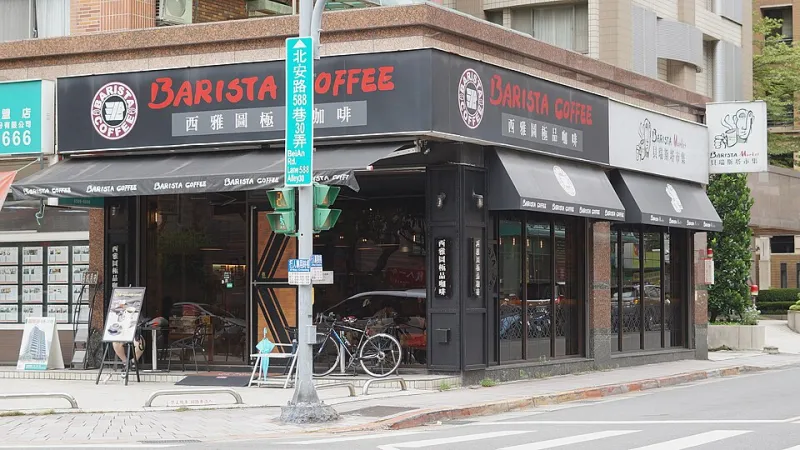
Photo: Egan Snow from Someplace, Yes, CC BY-SA 2.0, via Wikimedia Commons
You've probably felt it before without knowing exactly why. You walk into a coffee shop, grab a seat near the stage, and when the musician starts playing, everything just lands. The guitar sounds warm, the vocals are clear, and even the conversations happening ten feet away don't seem to bleed into the music. Then there's the other kind of place — same vibe, same menu, maybe even the same genre of artist — and somehow the whole thing feels like listening through a wet blanket. Or worse, like sitting inside a snare drum.
The difference, more often than not, comes down to acoustics. And in the world of live café venues, acoustics are quietly one of the most underappreciated design decisions a space can make.
Why Coffee Shops Are Acoustically Tricky by Nature
Cafés were not originally built with live sound in mind. They're designed for conversation, community, and commerce — which means hard surfaces everywhere. Tile floors. Exposed brick walls. Glass storefronts. Concrete ceilings. All of those materials do one thing really well acoustically: they bounce sound around like a pinball machine.
"The typical café is basically a reverb chamber," says Marcus Webb, an architectural acoustician based in Chicago who has consulted on several mixed-use entertainment spaces. "You've got parallel hard walls, a flat ceiling, and very little absorption. When you add live music into that environment, you're asking sound waves to do something the room was never designed to support."
This isn't a death sentence for live performance — but it does mean that venues serious about sound need to think deliberately about what they're working with.
The Big Three: Height, Shape, and Surface
If you ask any acoustician what factors matter most in a live performance space, they'll almost always come back to three things: ceiling height, room geometry, and surface materials.
Ceiling height is probably the single biggest variable. Low ceilings trap sound and create a compressed, muddled feel — especially for anything with low-end frequency content like bass or kick drum. Higher ceilings give sound room to develop and decay naturally. Spaces with ceilings in the 12-to-18-foot range tend to hit a sweet spot for small live venues, providing enough vertical space for sound to bloom without creating the kind of cavernous reverb that makes vocals unintelligible.
Room geometry matters more than most people realize. A perfectly rectangular room is actually one of the worst shapes for acoustics because it creates standing waves — essentially, zones in the room where certain frequencies pile up on themselves and become overwhelming while other spots feel weirdly dead. Slightly irregular room shapes, angled walls, or even just strategic furniture placement can break up those patterns significantly.
Surface materials are where venue owners have the most control after the fact. Hard materials reflect sound; soft ones absorb it. The trick is finding the right balance. Too much absorption and the room feels dead — musicians hate playing in spaces that feel acoustically lifeless. Too little and you get the reverb chamber problem. A well-designed live café typically layers different materials: upholstered seating, fabric wall panels, rugs or carpet runners, and maybe some wooden diffuser panels that scatter sound without fully absorbing it.
What Musicians Actually Notice
We asked a handful of touring and local musicians what they look for when they walk into a café venue for the first time. The answers were telling.
"I can usually tell within about thirty seconds of doing a sound check whether the room is going to work," says Delia Santos, a singer-songwriter based in Austin who regularly plays café circuits across the Southwest. "The rooms that feel good have a kind of warmth to them. You can hear yourself think. The ones that don't — you're fighting the room the whole night."
Fighting the room is a phrase that comes up a lot in these conversations. It describes what happens when a performer has to compensate for bad acoustics through volume, EQ adjustments, or sheer energy — all of which can actually make things worse. Cranking the PA to cut through excessive reverb just adds more energy to the room, which creates more reverb. It's a losing battle.
For guitarist and composer Theo Kwan, who has played everything from stadium concerts to intimate café sets, the best small venues share one quality: "They feel like the room is with you. The sound is going somewhere. In bad rooms, it just goes everywhere at once and turns into noise."
The Role of the Stage Itself
Stage placement is another factor that often gets overlooked. Positioning a performer in a corner — which many cafés do to maximize floor space — creates a scenario where two hard walls are directly behind the artist, reflecting sound straight back into the room with very little diffusion. A slightly angled stage or one positioned against a single wall with some absorptive treatment behind it can make a dramatic difference.
Stage height also plays a role. Raised stages help direct sound over the heads of seated audience members and toward the back of the room, which improves coverage and reduces the chance of the front rows getting blasted while people in the back hear almost nothing.
Practical Moves for Café Owners
Not every venue can afford a full acoustic consultation or a structural redesign. But there are meaningful improvements that don't require demolition.
- Add area rugs. It sounds basic, but rugs on hard floors make a measurable difference in reducing low-frequency buildup and flutter echo.
- Hang fabric panels. Stretched fabric wall panels (sometimes called acoustic baffles) are relatively affordable and can be made to look like intentional design elements. Position them on the walls that directly face the stage.
- Rethink the furniture. Upholstered chairs and banquettes absorb far more sound than metal or wooden chairs. Your seating choices are doing acoustic work whether you realize it or not.
- Use bookshelves or irregular objects. Diffusion — scattering sound in multiple directions — can come from something as simple as a well-stocked bookshelf or a gallery wall with varied frame depths. It breaks up flat reflections without killing the room's energy.
- Get a PA consultation. Even in a well-designed room, a poorly configured sound system will undo everything. A professional audio engineer doing a one-time room tuning session is often one of the highest-ROI investments a live venue can make.
Why It All Comes Back to the Experience
At the end of the day, acoustics are really about something much more human: whether people want to come back. A room that sounds good makes musicians want to perform there again, and it makes audiences feel like the experience was worth their time and money. In a live café context — where the entire premise is that coffee and culture belong together — the sound quality is part of what makes that promise feel real.
When everything clicks, you get something genuinely special: a space where a cup of coffee and a live performance feel like they were made for each other. That doesn't happen by accident. It happens by design.