When the City Never Sleeps, Neither Does the Stage: The Rise of After-Hours Café Culture
Photo: Moinea72, CC BY-SA 3.0, via Wikimedia Commons
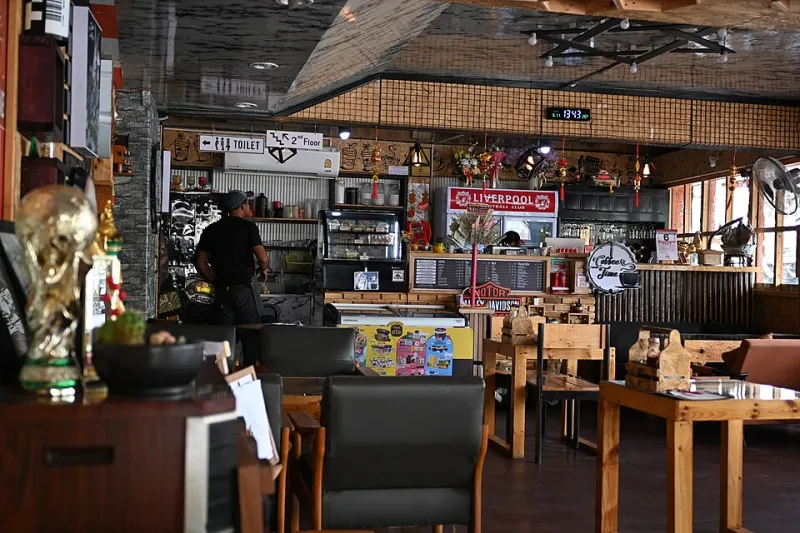
Somewhere around 2:47 AM, a trauma nurse named Denise walks off a twelve-hour shift at a hospital in Chicago, still wired from the adrenaline of the ER, and absolutely not ready to stare at her apartment ceiling. She used to drive home in silence, scroll her phone until her eyes gave out, and call that a night. Now she heads to a café three blocks from the hospital that stays open until 4 AM on weekdays, orders an oat milk cortado, and settles in while a guitarist plays low, unhurried sets for a room full of people who look exactly like her — exhausted, alive, and grateful for somewhere to land.
This is the 3 AM problem. And some café owners across the country are starting to think it might actually be a 3 AM opportunity.
The Hours Nobody Built For
American nightlife has always had a gap. Bars close. Diners don't have stages. Concert venues shut down well before midnight, and the people who work overnight — the nurses, the security guards, the warehouse workers, the IT contractors on Tokyo time — have historically had nowhere to go that felt like more than just killing time.
The traditional jazz club used to fill some of that void. In cities like New York and New Orleans, late-night sets running past 2 AM were standard for decades. But rising rents, changing liquor licensing, and the general consolidation of nightlife have trimmed those hours down considerably in most American cities. The late-night third space — somewhere between home and work that feels genuinely welcoming — has quietly disappeared for a huge chunk of the population.
Café culture, with its lower overhead and more flexible identity, is starting to step into that gap.
Who Actually Shows Up at Midnight
The demographics of a late-night café crowd are genuinely different from what you'd find at a 7 PM open mic. Talk to owners who've experimented with after-hours programming and a few distinct communities keep coming up.
Healthcare workers are a big one. Hospitals run three shifts, and the people coming off nights are often too keyed up to sleep immediately but too tired for anything that requires real effort. A live acoustic set in a warm room with decent coffee hits exactly the right note — stimulating enough to feel like a real evening out, calm enough not to extend the adrenaline spike.
Then there are the remote workers on international schedules. A software developer in Austin who works with a team in Singapore or Berlin might be wrapping up their "workday" at 1 AM. They've been staring at screens for hours and they want something human. The idea of sitting in a café with a pour-over and listening to a local singer-songwriter play an intimate set is genuinely appealing in a way that another streaming playlist just isn't.
And then there are the insomniacs — a category that's grown considerably since the pandemic reshuffled everyone's sleep schedules — who've simply given up on forcing sleep before 3 AM and would rather spend those hours somewhere that feels intentional.
What Progressive Owners Are Trying
A handful of café venues around the country have started running what they're calling "midnight sessions" or "after-hours residencies" — structured programming designed specifically for the late shift crowd rather than just leaving the lights on and hoping someone wanders in.
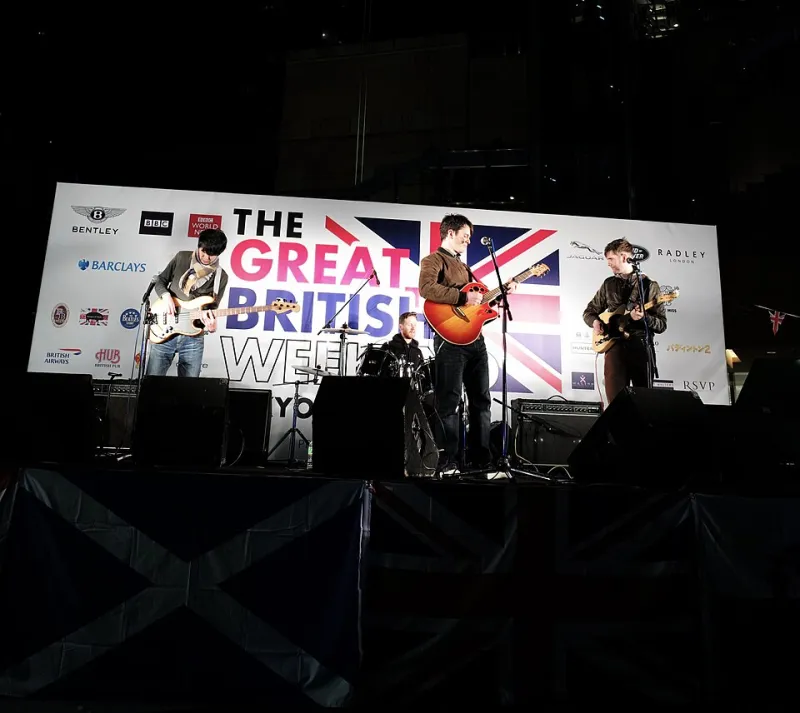
The format tends to be stripped down. Solo performers or duos rather than full bands. Lower volume, more conversational. Sets that run forty-five minutes with long breaks, creating space for the kind of slow, unhurried socializing that 2 AM crowds seem to want. Some owners describe it as closer to a salon than a concert — the music is the anchor, but the community that forms around it is the real product.
Pricing models shift too. Some venues run a flat door charge that includes a drink, keeping things simple for people who are already decision-fatigued from a long shift. Others lean into loyalty — a monthly membership that gives night shift regulars a reason to make the late-night café their consistent spot rather than a random discovery.
For performers, the appeal is real even if the crowds are smaller. A musician playing a midnight set at a café venue is often reaching an audience that's genuinely present in a way that a distracted happy hour crowd isn't. The room is quieter. The energy is focused. Several musicians who've played late-night café residencies describe it as some of their most meaningful performing — closer to the intimate jazz club experience than anything they get at a standard evening slot.
The Challenges Are Real
None of this is without friction. Staffing a café until 4 AM is genuinely hard in a labor market that's already tight. The workers willing to pull those shifts are a specific personality type, and finding enough of them to build a consistent late-night operation is a real constraint.
Licensing is another layer. Depending on the city, staying open past midnight can trigger different regulations around noise, occupancy, or food service requirements. Some owners have navigated this by keeping the programming acoustic and the volume low enough to stay under the thresholds that would require additional permits. Others have worked directly with their city councils to establish café venues as a distinct category from bars — a conversation that's easier in some municipalities than others.
And then there's the simple economics of it. Late-night crowds are smaller, and the per-customer spend can be lower if you're not serving alcohol. Some owners have found that the late-night shift pays for itself indirectly — it builds loyalty among a customer segment that then becomes a reliable daytime revenue base, and it generates the kind of word-of-mouth that no marketing budget can replicate.
The Bigger Thing This Is About
At its core, the late-night café venue movement is about something pretty simple: the recognition that human beings need community at all hours, and that the infrastructure for that community has never really been built for people who work outside the 9-to-5 world.
The jazz clubs of the mid-twentieth century understood this intuitively. The music didn't stop at midnight because that's when the musicians and the audience were finally free. Something similar is true now for a large and largely invisible segment of the American workforce.
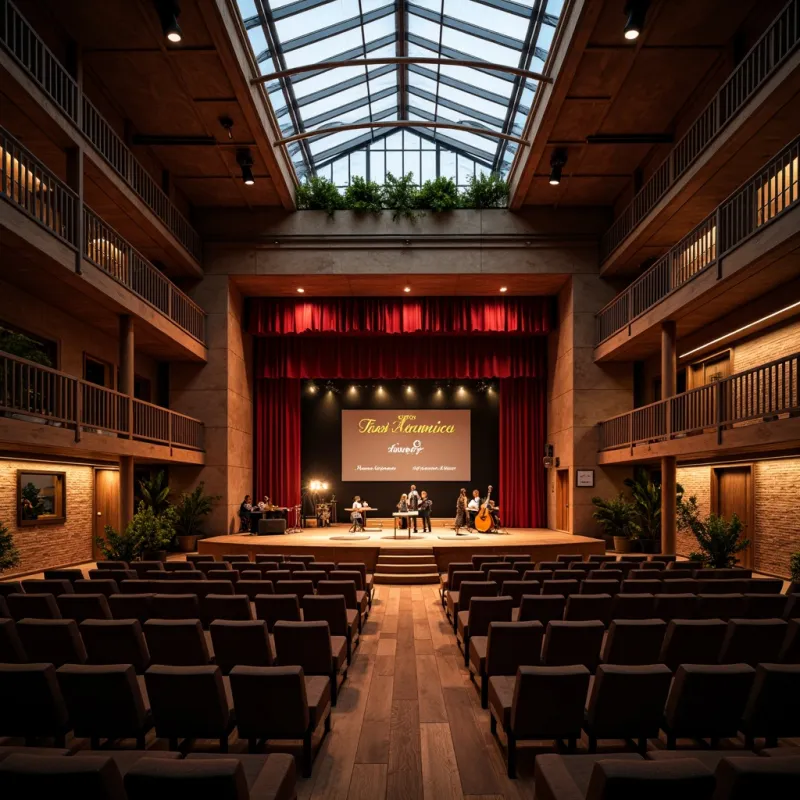
When a café stays open until dawn and puts a musician on a small stage for a room of thirty night shift workers and insomniacs and time-zone-displaced remote workers, it's doing something that goes beyond selling coffee. It's acknowledging that those hours count. That those people count. That community isn't just a daytime amenity.
Denise, the ER nurse from Chicago, puts it plainly: "I don't need a bar. I don't need a club. I just need somewhere that feels like it was made for me at 2 AM. Turns out that's basically just a good café with someone playing guitar."
Sounds like a reasonable place to start.