Skip the $200 Tab: Why a Café Show Is the Smartest Weeknight Date in America
There's a particular kind of sticker shock that hits when the check arrives at one of those dinner-and-a-show combos. You know the ones — the dinner theater packages, the pre-theater prix fixe, the downtown restaurant you booked three weeks out because that's what the occasion demanded. Two hundred dollars. Sometimes more. On a Tuesday.
Here's the thing nobody advertises: you can get most of what those nights offer — live music, atmosphere, food, someone else handling the ambiance — for under forty bucks. Sometimes under twenty-five. The venue is your neighborhood café, and the show starts when the espresso machine does.
The Real Math of a Night Out
Let's break down what a traditional big-night-out actually costs for two people in most US cities:
- Dinner at a mid-tier restaurant: $70–$110 with tip
- Drinks before or after: $25–$40
- Show tickets: $40–$90 each, before fees
- Parking or rideshare: $15–$35
- Total: easily $200–$300
Now the café version:
- Two specialty drinks: $10–$14
- A pastry or small plate to share: $6–$12
- Cover charge or tip for the musician: $10–$20 (often pay-what-you-can)
- Street parking or a short walk: free to $10
- Total: $30–$55
That's not a small difference — it's the difference between a monthly splurge and a weekly ritual. And unlike the dinner theater, where you're locked into a seat and a schedule, the café night bends to your energy. Arrive at 6:30, stay for two sets, or duck out after one song because you've got an early morning. Nobody's giving you the side-eye from the coat check.
What You're Actually Paying For
The economics of a café show work in your favor because the venue isn't trying to squeeze rent out of a single ticket price. The coffee and food sales subsidize the music, which means performers get a real audience and you get world-class talent at coffee-shop prices.
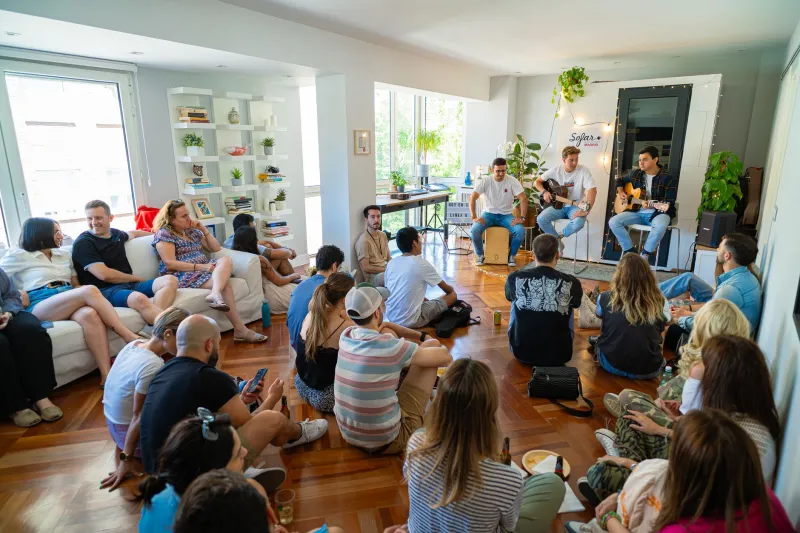
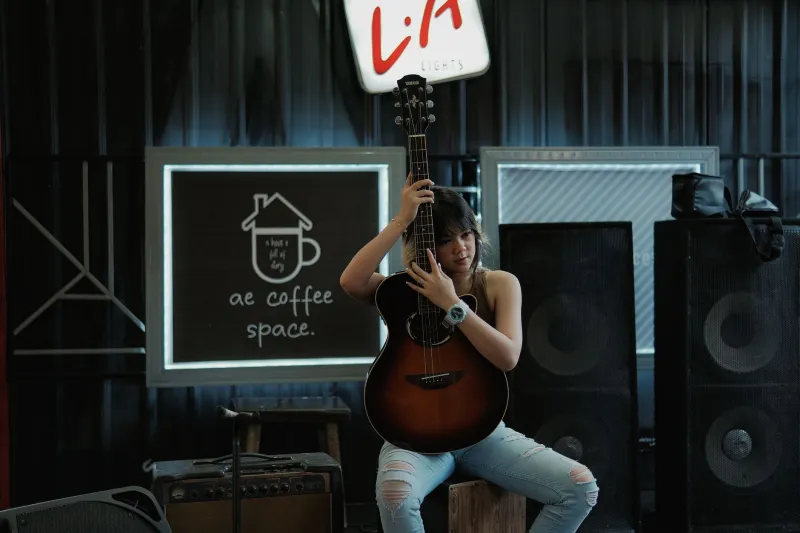
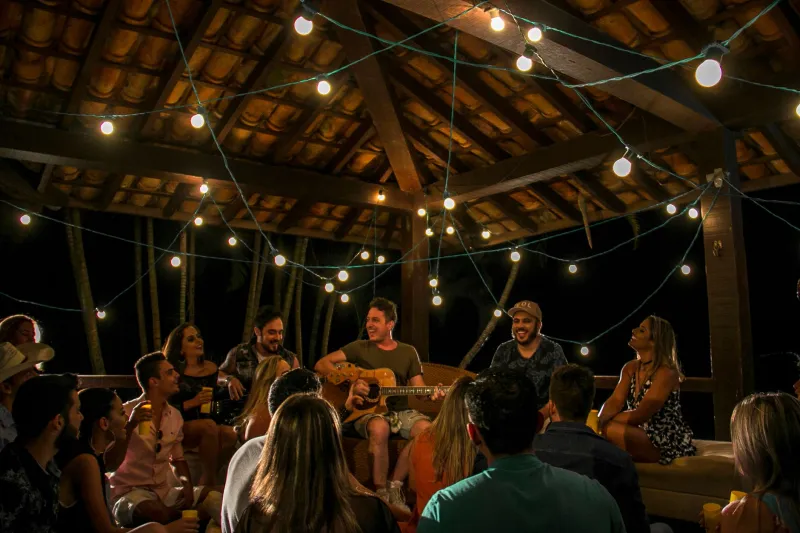
And the talent is real. Some of the best singer-songwriters, jazz trios, and indie acts touring regionally play café rooms precisely because the intimacy can't be faked. You're sitting fifteen feet from the musician. You can hear the guitar strings, the between-song banter, the room laugh at the same joke. Try getting that in row Z of a 2,000-seat theater.
A Sample Weeknight Itinerary
Here's how a perfect Tuesday or Wednesday café date actually shakes out:
5:45 PM — Beat the rush. Grab your usual table. Order the drinks you actually want, not the ones you'd settle for at 9 PM.
6:15 PM — Food, low-key. Split a sandwich, a flatbread, or whatever the kitchen does well. No reservations, no tipping anxiety over a $90 bottle of wine.
7:00 PM — First set. The room settles, the lights drop a little, and the music starts. This is the moment the whole evening turns.
7:45 PM — The between-set walk. Step outside, share a dessert, or just debrief. The break is built in — no awkward waiting for the check.
8:15 PM — Second set or head home. You're fifteen minutes from your front door, not forty-five minutes from a parking garage.
Home by 9:30. Alarm set. No regrets.
Make It a Habit, Not an Event
The real shift isn't one good night — it's realizing you don't need a special occasion to have one. Swap one dinner-theater outing a quarter for a monthly café show and you've saved enough for a weekend away. Swap the big night out for a weekly café date and you've built something better: a standing ritual, a favorite table, a bartender who knows your order, a musician whose sets you've watched evolve over a season.
Cheap nights out aren't a compromise anymore. In a lot of American cities right now, they're simply the best seat in the house.