Trade Your Third Cocktail for a Cortado: The Quiet Takeover of the 7 O'Clock Show
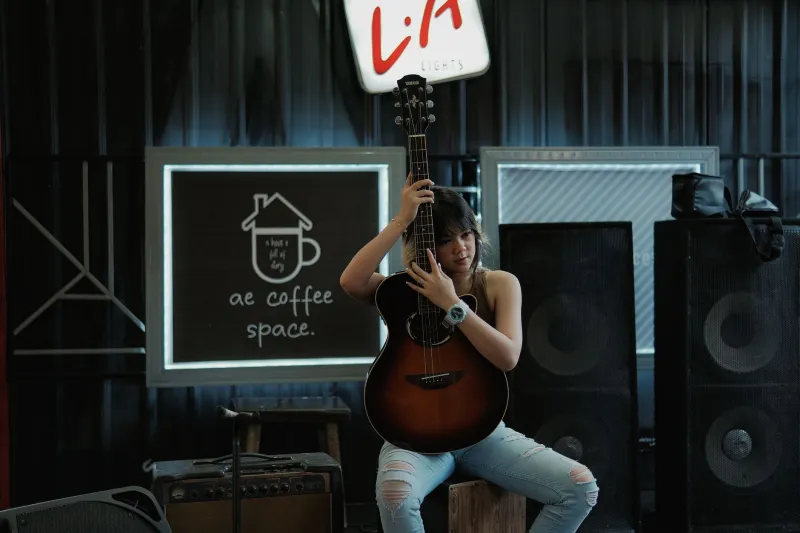
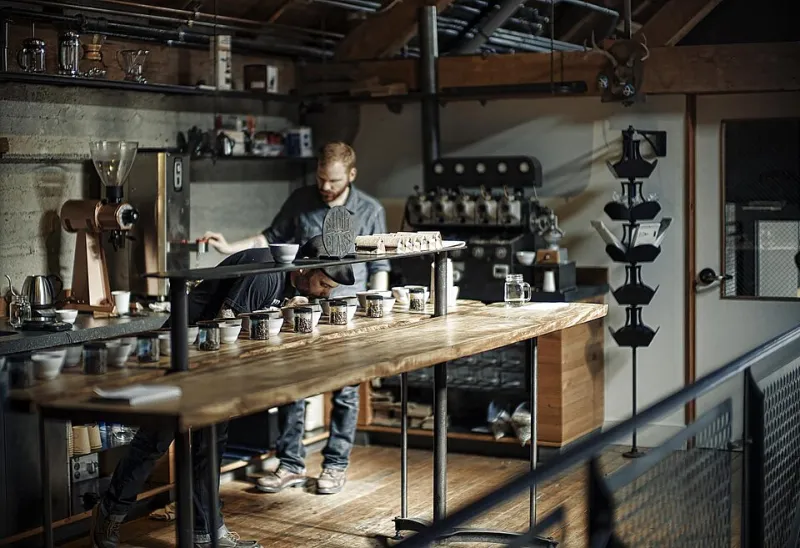
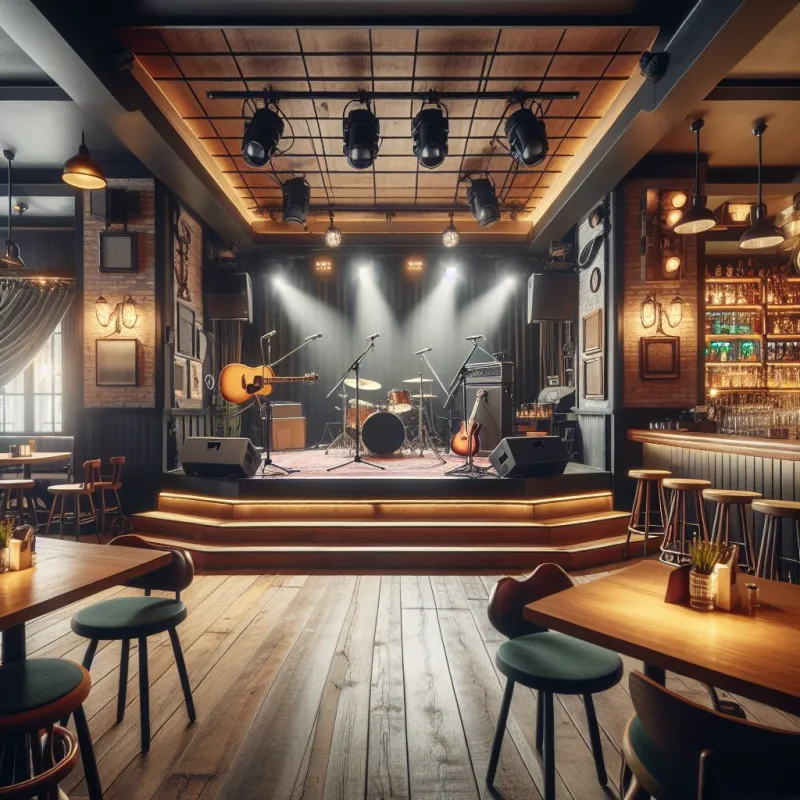
It's 7:04 on a Thursday, and the bar stools at your favorite craft cocktail joint are collecting dust. Two blocks over, a café with the lights dimmed just right is packed with people who clocked out an hour ago. There's a guitarist tuning up, a pour-over station humming, and not a single person checking to see if the drink specials have started yet.
Welcome to the 7 o'clock show — the after-work ritual quietly stealing the social hour that bars have owned for a century.
The Happy Hour Hangover
Something shifted in how American professionals want to end their day. The traditional happy hour — discounted drinks, loud booths, the slow slide into a second round you didn't plan on — has started to feel less like a reward and more like a tax on tomorrow morning.
A growing number of urban professionals are looking for the same things happy hour always provided: a transition zone between work and home, a low-stakes place to talk to other humans, a reason not to cook dinner yet. They're just finding it without the alcohol math.
The café show delivers all of it. You can show up alone and not feel weird. You can leave after one set without anyone raising an eyebrow. You can be sharp at 9pm instead of texting apologies at 10.
Why 6 to 9 Is the New Prime Time
From the venue side, the early evening slot is a business decision as much as a cultural one. A bar's happy hour competes with dinner service for the same kitchen, the same staff, the same square footage. A café's dead zone — that stretch after the afternoon rush and before close — is otherwise empty real estate.
Book a musician from 6:30 to 8:30, and suddenly that dead zone generates revenue. Espresso bars and pour-over programs don't need a liquor license to make the room feel full. Add a small food menu or a dessert pairing, and a Tuesday night becomes a real ticket.
The economics work for the performers too. An early set means musicians can play, pack up, and still make a 10pm gig across town — or just get home at a reasonable hour. It's a gig that respects everyone's calendar.
Socializing Without the Tab
There's also the money question, and nobody says it out loud as much as they think about it. A night out at a bar in most US cities easily runs $50 to $80 once you factor in rounds, tips, and the rideshare home. A café show? A latte, maybe a pastry, often a tip jar for the artist. You're out the door for twenty bucks and you still had a night.
That math matters to a generation already scrutinizing every subscription and delivery fee. The café show isn't a compromise — for a lot of people, it's simply the better deal.
And the conversation is different without drinks as the centerpiece. Talk at a bar tends to orbit the drinks themselves. Talk at a café show orbits the music, the neighborhood, the actual work everyone did that day. It's the same social function with the filler removed.
The Third Place Gets a Soundtrack
Sociologists have long talked about the "third place" — not home, not work, but the spot where community actually happens. For decades, that was the neighborhood bar. But bars have a ceiling: they're built around a product that a lot of people are actively cutting back on.
Cafés don't have that ceiling. The sober-curious crowd, the parents with a 90-minute window, the folks who want to network without slurring — they all fit in the same room. Add live music, and the café becomes less of a coffee shop and more of a town square with good acoustics.
At Live Café 385, we've watched this play out in real time. The 7pm crowd isn't the same as the morning regulars. They come in loosened from the workday, they stay for two sets, they meet people they'd never cross paths with on a commute. It's happy hour energy with none of the regret.
Not a Trend — a Correction
It's tempting to file this under "post-pandemic behavior change," but the roots go deeper. Americans have been drinking less per capita for years. Daytime and early-evening socializing has been creeping earlier for a while. The café show didn't invent the shift; it just gave it a stage and a sound system.
So next Thursday, skip the third round and the $16 old fashioned. Find a room with a piano, a barista who knows their roaster by name, and a crowd that's there for the same reason you are — to mark the end of the workday without borrowing from tomorrow.
The happy hour isn't over. It just moved down the street, and it's pulling shots instead of pints.