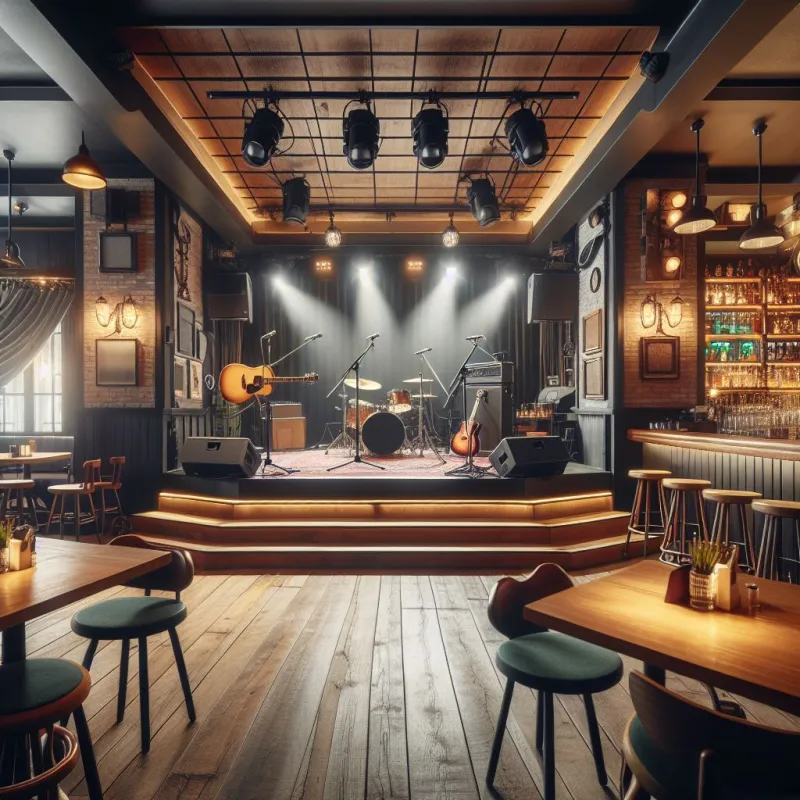
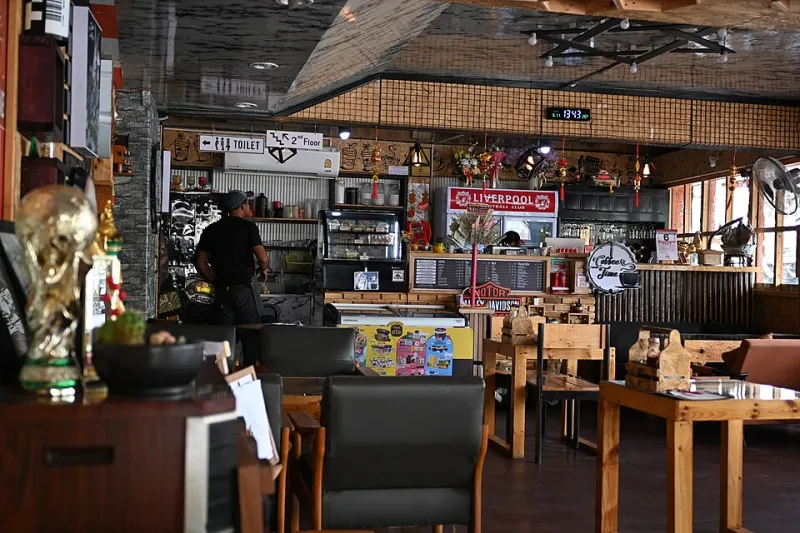
Plugged In and Poured Up: The Rise of the Technical Pro in Live Café Spaces
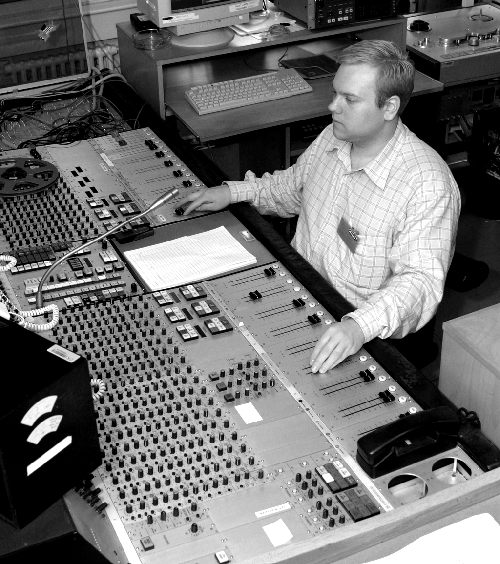
Photo: Unknown, CC BY-SA 3.0, via Wikimedia Commons
There's a moment that every café owner running live events knows too well. The room is full, the espresso machine is humming, and then — out of nowhere — a shriek of feedback cuts through everything. Conversations stop. Heads turn. The performer on stage winces. And just like that, the carefully cultivated vibe you spent weeks building evaporates in about three seconds.
It used to be something you laughed off. Chalk it up to the charm of a small venue, right? But that excuse is wearing thin. As live café culture matures across American cities, audiences are arriving with higher expectations, performers are bringing more sophisticated gear, and the technical demands of running a truly great live room have quietly outpaced what a well-meaning barista with a weekend's worth of YouTube tutorials can handle.
When the Gear Got Complicated
Let's be honest about how we got here. A decade ago, a modest café stage setup meant a single condenser mic, a small PA system, and maybe a DI box for an acoustic guitar. Someone on staff who knew which cable went where could manage it. That era is largely over.
Today's live café setups routinely include multi-channel digital mixers, in-ear monitoring systems, stage lighting rigs with DMX controllers, livestream integration, and room-correction software that has to account for the fact that your venue is simultaneously a coffee shop with hard tile floors and a live room trying to deliver clean, balanced sound. The complexity has compounded fast.
Add to that the growing expectation from performers — especially working musicians who've read up on how café venues can function as genuine revenue streams — and you've got artists showing up with specific technical riders, expectations around monitoring mixes, and a real sensitivity to whether the house sound is doing their work justice or burying it.
The Skills Gap Nobody Talks About
Here's the uncomfortable truth sitting at the center of this conversation: most live café operators aren't equipped to bridge this gap on their own, and the hospitality industry hasn't traditionally trained anyone to do it.
Barista certifications, food handler's permits, even sommelier training — none of that touches signal flow, impedance matching, or acoustic treatment. And while a background in live event production is genuinely useful, most seasoned touring sound engineers aren't exactly lining up to mix a Thursday night open mic for café wages.
What's emerging instead is a new kind of hybrid professional. Part AV technician, part venue coordinator, part coffee-culture enthusiast. These are people who understand that the vibe of a live café is as much a technical product as it is an atmospheric one — and that getting the sound right is inseparable from getting the experience right.
Some are coming up through community college audio production programs. Others are self-taught engineers who discovered they loved the intimacy of small venue work over the grind of touring. A few are former performers who pivoted into the technical side after years of dealing with bad sound from the stage. What they share is a specific fluency that's becoming genuinely valuable in this space.
What a Dedicated Technical Pro Actually Does
If you've never worked with a dedicated sound engineer in a café context, it might not be obvious what the role even looks like day to day. It's not just showing up to twist knobs on show nights.
A good technical pro at a live café is involved in the room itself — advising on acoustic panels, speaker placement, and how the physical space affects sound before a single performer walks through the door. They're building and maintaining the signal chain, keeping the gear in working order, and creating input lists and stage plots that make load-in smoother for every act that books the venue.
On show nights, they're managing the mix in real time, responding to the room as it fills up (because a packed café sounds dramatically different from an empty one), and communicating with performers about monitor levels without disrupting the flow of the evening. After the show, they're often the ones archiving recordings, troubleshooting what didn't work, and slowly dialing in the room to sound better every single week.
That's a real job. And increasingly, it's being recognized as one.
Training Pipelines Are Starting to Catch Up
The good news is that the industry is starting to notice. Organizations like the Berklee Online program, Coursera's audio engineering tracks, and regional technical schools across the country are producing graduates with the foundational skills to work in exactly these kinds of environments. Some live music advocacy groups have begun pushing for apprenticeship models that place emerging engineers in small venue settings — including café-style spaces — as part of their professional development.
A handful of forward-thinking café operators are building their own internal training pipelines, pairing newer staff members who show technical aptitude with experienced engineers for a season of mentorship before handing them the board. It's informal, but it works. And it creates loyalty — someone who learned their craft in your room is a lot more invested in making that room sound great.
The Business Case Is Getting Easier to Make
For café owners still on the fence about bringing on dedicated technical talent, the math is shifting. A well-run live program — one where performers want to come back, where audiences trust that the sound will be good, and where word-of-mouth drives consistent attendance — generates real revenue. Cover charges, increased beverage sales on show nights, private event bookings, and even livestream content all depend on the technical foundation being solid.
A single disastrous sound night can undercut months of reputation-building. Conversely, a venue known for treating performers well and delivering a genuinely great listening experience becomes a destination. In competitive urban markets, that distinction is worth a lot.
The barista who moonlights as the sound person is a charming origin story. But the live café that's built to last is the one that treats technical expertise as a core investment rather than an afterthought — and hires accordingly.
Because at the end of the day, the coffee can be perfect and the performer can be incredible, but if the room sounds like a tin can, none of it matters.