Two Lattes and a Front Row Seat: The Best Deal in American Live Music
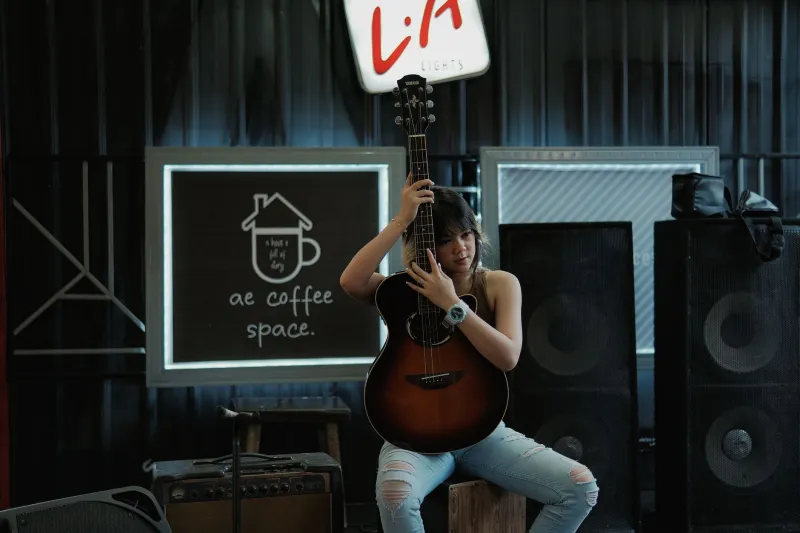
Last month, a friend of mine paid $214 to see an arena show from a seat so far away the singer looked like a scented candle. Two days later, she watched a touring songwriter from three feet away at a café two blocks from her apartment. Cover charge: nothing. Latte: $5.50. Guess which night she's still talking about?
If you've bought concert tickets lately, you already know the story. Fees stacked on fees, dynamic pricing that punishes you for hesitating, and a general sense that live music has quietly become a luxury good. But while the big rooms get more expensive, something interesting is happening in the small ones — and a lot of it is happening over espresso.
The Math That Changed the Night Out
Here's the thing about café shows: the business model is fundamentally different. A stadium tour needs your $150 ticket to pay for trucks, crews, and a small city of roadies. A café stage needs you to buy a drink.
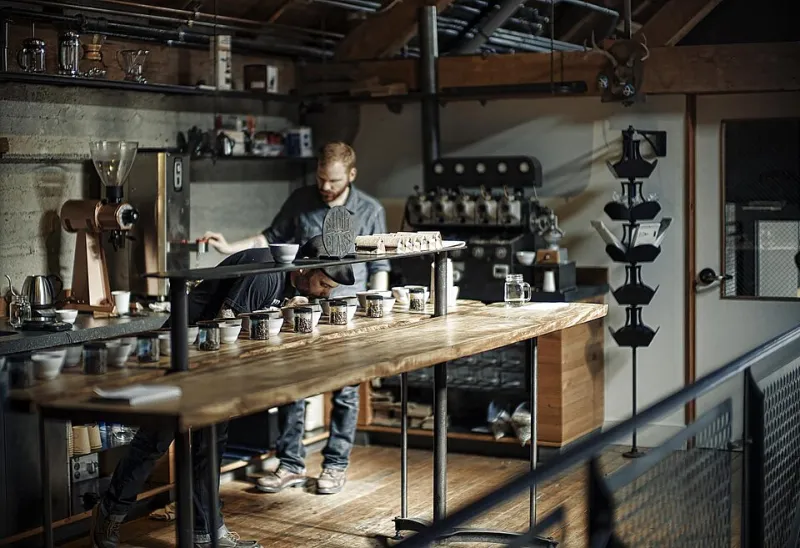
That's not a gimmick — it's just honest arithmetic. The venue already exists. The barista is already on shift. The overhead is coffee beans and light bulbs, not pyrotechnics. So the door stays cheap, or free, and the artist walks away with a tip jar, a merch table, and a room full of people who are there — not streaming the show through their phone screens while waiting for the hit single.
For the price of a fancy latte and a pastry, you get a front-row experience that would cost ten times as much anywhere else. In 2025, that might be the last honest deal in American entertainment.
What a Small Room Does to a Performance
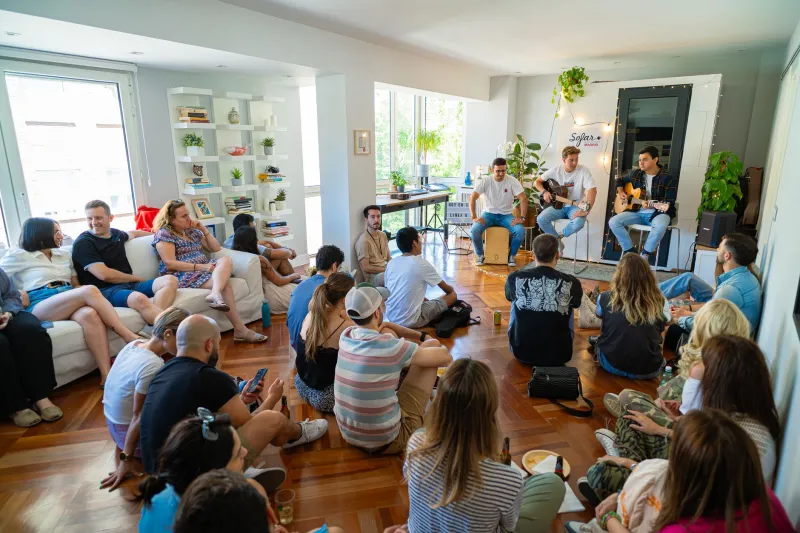
There's a reason musicians describe café gigs differently than theater gigs. In a room that holds sixty people, there's nowhere to hide — for anyone. The artist can hear your laugh during the between-song banter. You can hear the strings creak. A well-written chorus lands differently when it's delivered eight feet from your face instead of 300 yards away through a video wall.
Some of the best shows I've seen this year happened in spaces with exposed brick and a drip coffee station. A cellist who paused mid-song because a espresso machine hissed at exactly the wrong moment — and turned it into a joke that made the whole room feel like a living room. A jazz trio that played quieter as the crowd leaned in closer. You simply don't get that reciprocity at a stadium.
Is It Fair to the Artists? An Honest Answer
Now, the counterargument, and it's a fair one: cheap shows can mean cheap pay. Nobody in the café world pretends a tip jar replaces a guarantee. But the model is evolving. Many venues now split drink sales, offer merchandise-friendly crowds, and treat the stage as a scouting ground — artists build followings in rooms like these and take that momentum to bigger, better-paying bookings.
And from the audience side, affordability cuts both ways. When a show costs $6 instead of $60, you take chances. You discover the opener you've never heard of. You go on a Tuesday. That willingness to gamble is exactly what emerging artists need, and it's what big-ticket touring has largely priced out of the average fan's life.
How to Make the Most of the Café Circuit
A few tips from regulars:
- Arrive early. Good café rooms are intimate by design, which means the good seats go fast. Grab a table an hour before downbeat and make an evening of it.
- Buy the merch. If the show was cheap, close the loop for the artist. A $25 vinyl or t-shirt does more for a touring musician than your ticket ever would have.
- Tip like it matters. Because it does. That jar funds the next tour stop.
- Follow the venue, not just the artist. Café calendars rotate fast, and the venue's booker has already done the work of finding acts worth your evening.
The Smartest Ticket in Town
Look, nobody's claiming a café show replaces the spectacle of an arena tour. Sometimes you want the lights and the crowd and the singalong. But for the other 80% of your live music nights, the neighborhood stage wins on cost, proximity, and — honestly — connection.
The concert industry may keep testing how much people will pay before they stay home. Café culture already has the answer: make the music the reason and the coffee the ticket. Your wallet, and your Tuesday nights, will thank you.