The 9 PM Espresso Problem: What American Cafés Are Getting Wrong After Sundown
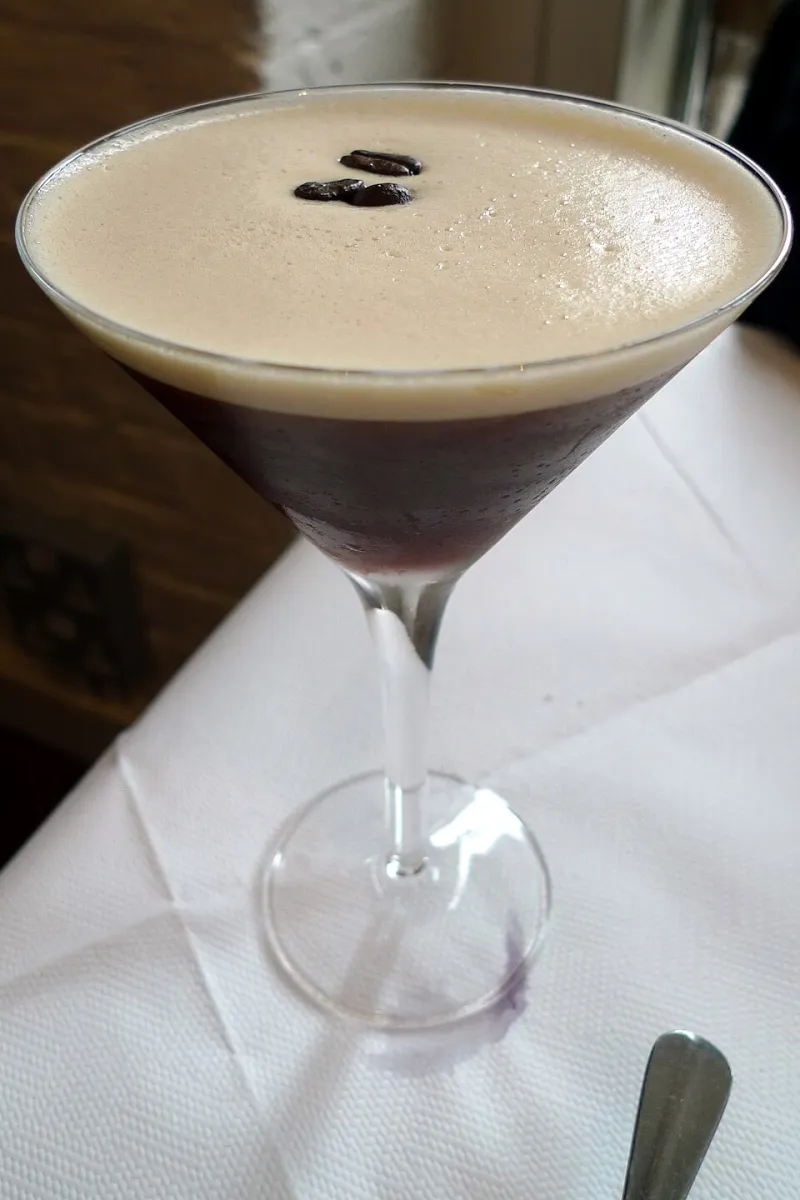
Photo: Ewan Munro from London, UK, CC BY-SA 2.0, via Wikimedia Commons
Let me say the unpopular thing up front: "we close at 3" might be the most expensive sentence in American café ownership.
Walk down any commercial street in Austin, Chicago, or Portland and count the coffee shops. Then check their hours. The pattern is almost universal: lights on at 6 AM, brilliant and bustling until early afternoon, then a slow fade into a 3 or 4 PM shutdown. Meanwhile, two blocks over, a wine bar with half the foot traffic and a worse soundtrack is packed until midnight.
This isn't a demand problem. It's an imagination problem.
The Café Already Has the Hardest Part
Anyone who has worked in hospitality knows that the evening is where the money lives. Margins on dinner and drinks outperform the breakfast rush, and the after-dark crowd spends more per visit and lingers longer. Cafés spend all morning building the exact thing bars pay fortunes to fake: atmosphere, regulars, a reason to be in the neighborhood.
And then they hand that audience to somebody else at 2:45.
The venues that have figured this out aren't doing anything magical. They're doing the obvious thing — treating the evening as a second act rather than an epilogue. And the results, where it's been tried, are hard to argue with.
What Getting It Right Looks Like
The best examples share a few traits worth stealing.
Coffee-forward cocktails, not coffee-flavored afterthoughts. The espresso martini opened the door, but the interesting venues have moved well past it. Think amaro cut with cold brew, a negroni variant built on coffee liqueur made in-house, or a nightcap that's simply a shot of excellent espresso over a small pour of barrel-aged spirit. The through-line is that the coffee stays the star, not a garnish.
Dessert as a program, not a display case. Some cafés now run dessert flights after sundown — three small plates, each paired with a different brew or extraction. A flourless chocolate torte against a natural-process Ethiopian. A salted honey tart with a syrupy cold brew concentrate. It's a tasting-menu format applied to the one category cafés already own, and it turns a $4 pastry sale into a $22 experience.
A reason to stay past 8. Live sets, listening nights, vinyl sessions — the evening programming gives the after-dark menu a runway. Nobody orders a dessert flight in a room that feels like it's winding down. Everybody orders one while a guitarist works through a slow set.
The Objections, Answered
The pushback is predictable, and mostly reasonable. Late hours mean labor costs. Alcohol licensing is a headache. The evening crowd is different from the morning crowd.
All true. But the answer isn't necessarily a full bar and a midnight close. Some of the smartest operators run a limited evening menu — three drinks, two desserts, one or two nights a week — and let live music carry the draw. The overhead is modest, the incremental revenue is real, and the brand benefit is enormous: the café stops being a daytime stop and becomes a destination.
There's also the decaf question, which deserves better than the eye-roll it usually gets. A well-made decaf espresso is a legitimately good drink, and for the growing number of people who want the ritual of coffee at 9 PM without staring at the ceiling at 2 AM, it's the whole pitch. Treat decaf like an ingredient worth sourcing, not a punishment, and you've just expanded your evening menu overnight.
The Bottom Line
The café's second act is sitting right there, underused, in a room you're already paying rent on. The morning built the brand. The evening is where it can grow up.
Close at 3 if you must. But know that every night you do, someone else is serving your regulars a nightcap two blocks away — and charging them for the privilege.